

What Is a Retainer and Why You Need One
So you just finished braces or Invisalign, congrats! Now comes the part that protects every bit of that hard work: your retainer. A retainer is a custom appliance that keeps your teeth in their corrected position after active treatment ends. Without one, teeth drift back toward their old spots, and all those months of careful movement can quietly unravel.
Why does that happen? The ligaments that hold each tooth to the bone have memory. They want to pull teeth back where they started, especially during the first year after braces or Invisalign. This is called orthodontic relapse, and it's the single biggest reason people end up needing a second round of treatment.
That's why retention is the final, lifelong phase of every straightening plan. At Stewart Smiles, our Digital Retainers are crafted from precise 3D intraoral scans, so you skip the yucky impressions and get a fit that hugs every tooth. Think of your retainer as the insurance policy on all those months of hard work.
Types of Retainers: Hawley, Clear and Bonded
Not every mouth needs the same retainer, and that's a good thing. There are three main styles your orthodontist might recommend, each with different strengths. Here's how they break down.
What Are Hawley Retainers?
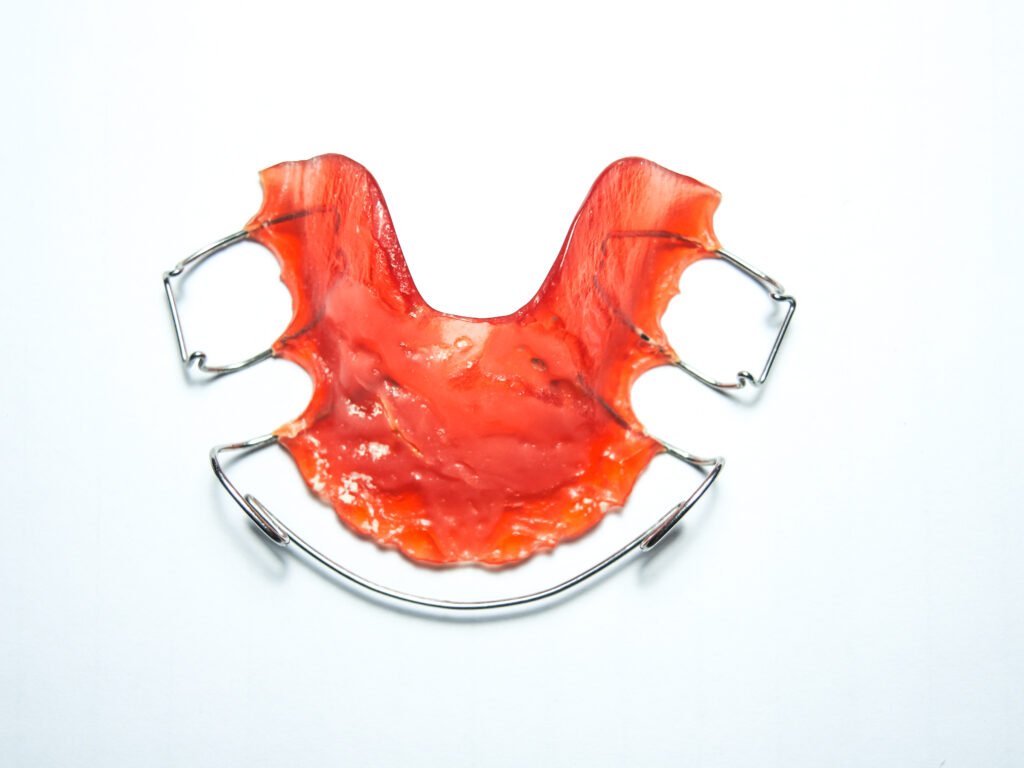
The classic. A Hawley has an acrylic base that sits against the roof of your mouth (or along your lower gums) with a bendable metal wire crossing the front of your teeth. The wire can be tweaked over time to make small adjustments, which is handy if your bite needs a little fine-tuning. Hawleys are tough, often lasting 5 to 10 years or longer with good care.
What Are Clear (Essix) Retainers?
These look almost exactly like Invisalign trays. Thin, see-through and molded to fit right over your teeth. They're nearly invisible when you smile, which makes them a favorite for adults and teens who don't want metal showing. The trade-off? They're more prone to warping from heat and usually need replacement every 1 to 3 years.
What Are Fixed (Bonded) Retainers?
A thin wire bonded to the back of your front teeth, usually on the lower arch. You never take it out, so there's no remembering, no case, no stress. Bonded retainers deliver round-the-clock retention and are great for patients who had significant lower crowding. The catch is flossing. You'll need a floss threader or water flosser to keep things clean.
What Makes Digital Retainers at Stewart Smiles Different?
Our Digital Retainers use 3D intraoral scans instead of goopy molds, so the fit is more accurate and the experience is way more comfortable. Many of our patients wear a combination, a bonded wire on the lower teeth plus a clear removable tray on top. It's the belt-and-suspenders approach, and it works beautifully.
How Long to Wear Your Retainer (Post-Braces vs. Post-Invisalign)
Here's the short answer: full-time wear for the first few months, then nighttime wear for life. Exactly how fast you transition depends on your treatment history, your bite and what your orthodontist sees at follow-ups.
How Long Should You Wear It the First 3 Months?
Plan on 20 to 22 hours a day. You'll only remove your removable retainer to eat, brush and clean the tray itself. This stretch is when your teeth are most eager to shift back, so consistency matters more than anything else.
What About Months 4 Through 12?
Most patients transition to nighttime-only wear during this window. Your teeth are settling into their new home, and the ligaments are starting to accept the change. We'll check your fit at follow-up visits and let you know when it's safe to drop daytime hours.
What Happens in Year One and Beyond?
Nightly wear, indefinitely. Yes, really. Teeth keep trying to move throughout your lifetime (aging, grinding, even genetics all play a role), so a few hours each night is what keeps your Stewart Smiles looking the way we designed it.
Is Post-Braces Different from Post-Invisalign Wear?
If you finished with Invisalign, you're already a pro at wearing a tray every night. Many Invisalign patients transition to nighttime-only retention a bit faster because the habit is already baked in. Braces patients sometimes need a longer full-time stretch, especially if teeth moved a long distance during treatment.
How Are Bonded Retainers Different?
If you have a fixed wire, it works 24/7 with no effort from you. But you still need to come in for checkups so we can make sure the bond is holding and the wire hasn't bent.
A quick heads-up: even a few weeks without wear can cause noticeable shifting. If your retainer starts feeling tight when you put it in, that's your sign to wear it more often, not less. Still feeling snug after a week? Give us a call and we'll take a look.
Retainer Comparison: Lifespan, Durability and Visibility
Choosing between retainer types comes down to lifestyle, how reliable you are with removable appliances and how much relapse risk you have. Here's a side-by-side look at the three main options.
| Feature | Hawley | Clear (Essix) | Bonded |
|---|---|---|---|
| Material | Acrylic base + metal wire | Thermoplastic | Thin metal wire + bonding resin |
| Lifespan | 5-10+ years | 1-3 years | Years, if intact |
| Visibility | Front wire shows | Nearly invisible | Invisible from the front |
| Durability | Very high | Moderate (can warp) | High, but can debond |
| Adjustable? | Yes | No | No |
| Compliance Needed | High | High | None (always in) |
Which One Is Right for You?
Hawleys are the workhorse, great if you want something that lasts and can be adjusted. Clear retainers win on looks and comfort but need to be replaced more often. Bonded retainers are perfect for folks who want zero daily thinking but don't mind a little extra flossing effort.
Many of our patients end up with a combo, bonded on the bottom (where relapse is most common) and clear on the top. That's often the sweet spot for long-term results.
Retainer Replacement and What Affects the Cost
Lost your retainer in a napkin at lunch? You're far from the first. What a replacement costs depends on the type of retainer, how many arches you need and whether new scans are required. Stewart Smiles keeps your digital scans on file, which often means faster turnaround and a more predictable price.
What Drives the Cost of a Replacement?
- Material and type: Clear replacements tend to run lower than Hawleys or bonded wires.
- Number of arches: One tray costs less than a full upper-and-lower set.
- New impressions or scans: If your digital file is current, you skip this step. If not, we may need fresh scans.
- In-office vs. mail-order: Mail-order services exist, but they can't verify fit in person, which matters if your bite has shifted.
Does Insurance or a Warranty Help with Costs?
Dental insurance rarely covers retainer replacements. Some orthodontic plans include a limited warranty on the first set of retainers, so check your paperwork. At Stewart Smiles, we offer flexible financing options with monthly payment plans to keep things manageable if you need a replacement outside of warranty.
Dr. Stewart and our team can create replacements from your stored digital scans, often without needing you to come in for a new impression appointment. That saves you a trip and gets your retention back on track faster.
Caring for Your Retainer: Cleaning, Storage and Replacement Signs
A clean retainer lasts longer, fits better and doesn't smell like last Tuesday's sandwich. Here's how to keep yours in top shape.
How Do You Care for a Retainer Daily?
- Rinse your retainer with cool water the moment you take it out.
- Brush it gently with a soft toothbrush and mild hand soap. Toothpaste is too abrasive and can create tiny scratches where bacteria hide.
- Avoid hot water, boiling water, dishwashers and leaving it in a sunny car. Heat warps clear retainers almost instantly.
How Do You Deep Clean It Weekly?
- Soak in a retainer cleaner tablet or a diluted white vinegar solution for 15 to 20 minutes.
- Skip the mouthwash soak. The alcohol can degrade the plastic.
- Rinse thoroughly before putting it back in.
How Should You Store Your Retainer?
- Always use a ventilated case. Open air helps prevent bacterial buildup.
- Never wrap it in a napkin at a restaurant. This is the number one way retainers get thrown away.
- Keep it far from pets. Dogs find them irresistible, and the damage is usually unfixable.
When Should You Replace Your Retainer?
- Visible cracks, chips or warping
- Persistent odor that doesn't go away after cleaning
- A loose or poor fit
- Cloudiness you can't scrub off
- For bonded retainers: a wire that feels loose or has popped free
Clear retainers typically need replacing every 1 to 3 years. Hawleys can go 5 to 10 years with good care. Bonded retainers last as long as the bond holds, which varies from person to person.
Frequently Asked Questions About Retainers
Will my teeth shift if I skip one night?
One missed night usually isn't a disaster, but a few in a row can cause noticeable movement. If your retainer feels tight when you put it back in, that's your teeth already starting to drift. Pop it in and stick with nightly wear for a few days to let things settle back into place.
Can I drink anything besides water with my retainer in?
Stick to water. Sugary drinks get trapped against your teeth and can cause cavities, while hot beverages like coffee or tea can warp clear retainers. Juice, soda and sports drinks are especially rough on both your teeth and the retainer itself. If you forget and take a sip of something else, rinse your mouth and the tray with cool water as soon as you can.
Are clear or wire retainers better?
Neither is universally better. It depends on your goals and habits. Clear (Essix) retainers are nearly invisible and comfortable, but they wear out faster. Hawley wire retainers last much longer and can be adjusted, but the front wire is visible when you smile. We'll help you choose based on your lifestyle at your follow-up visit.
What should I do if I lose my retainer?
Call your orthodontist right away. The sooner you get a replacement, the less chance your teeth have to shift. At Stewart Smiles, we often have your digital scans on file, which speeds up the replacement process considerably and avoids a repeat impression visit.
How much does a replacement cost?
It depends on the type of retainer, the number of arches and whether new scans are needed. Give us a call and we'll walk you through the specifics for your situation. We also offer flexible financing to help make unexpected replacements easier on your budget.
Do I really have to wear it forever?
Yes, nightly wear for life is what we recommend. Teeth naturally shift throughout adulthood due to aging, grinding and genetics, and retainers are the only way to keep your results locked in. A few hours each night is a small trade for a lifetime of straight teeth, and most patients barely notice once it becomes part of their bedtime routine.
Protecting your results starts the day your braces or trays come off. Whether you're curious about Digital Retainers, weighing your options after Invisalign or just want tips for keeping your current tray in great shape, we've got you covered with education and support every step of the way. Whether you're in Bryan-College Station or anywhere across the Brazos Valley, our team can check your fit, replace a lost tray or help new patients get started with a free exam. Call us at (979) 310-5987.